In short
- December to March is the peak season for bathing monkeys.
- Late April to early June is the birthing season for babies.
- Monkeys rarely enter the hot springs during the summer months.
In this article
Jigokudani Snow Monkey Park is open 365 days a year. The experience changes heavily with the seasons. Most visitors arrive during the cold winter to see the monkeys warm up in the hot springs. If you visit in spring, you will see a different side of the troop as they raise their young.
What is the best month to see the snow monkeys?
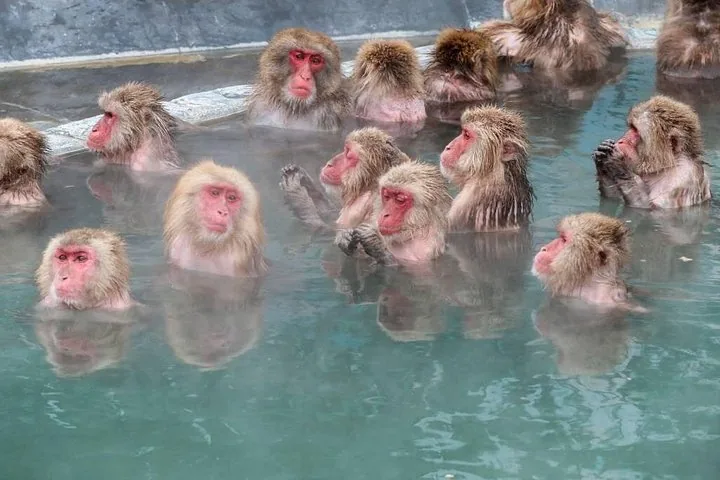
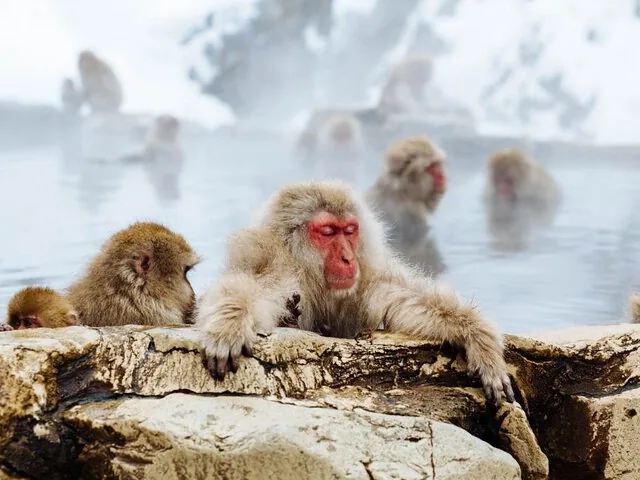
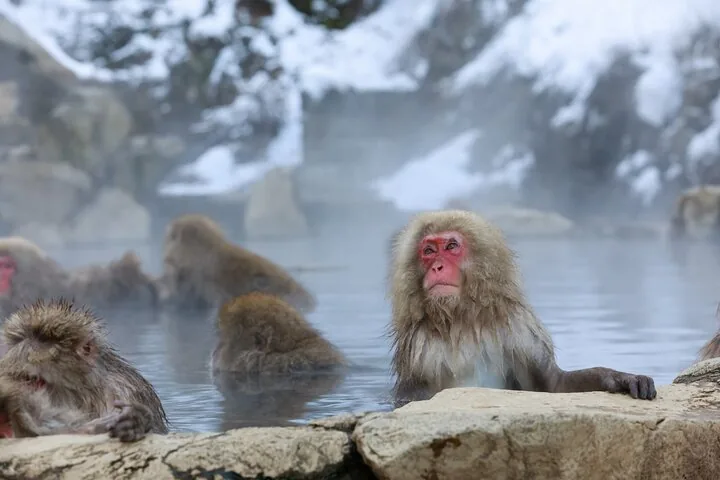
December, January, February, and March are the best months to see the monkeys in the hot springs.
During these freezing months, the monkeys rely on the hot springs to stay warm. The park sits at an altitude of 850 meters and gets heavy snow. Winter park hours run from 9:00 AM to 4:00 PM.
When are the baby snow monkeys born?
The birthing season happens from late April to early June.
During this time, newborn monkeys are highly visible in the park. You will see them clinging to their mothers. They often play in the river valley observation areas. Summer hours begin in April, keeping the park open from 8:30 AM to 5:00 PM.
Do the snow monkeys bathe in the hot springs during summer?
No, the monkeys rarely enter the hot springs during the hot summer months.
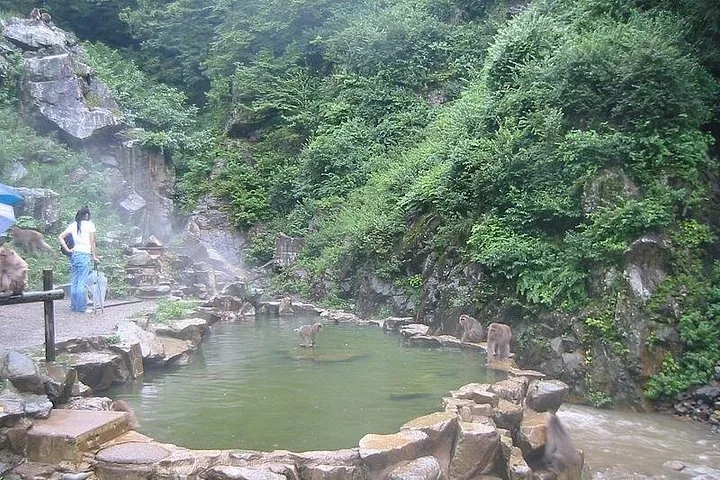
The hot spring pool helps the wild macaques survive the winter cold. When the weather gets hot, they have no reason to use the bath. You can still see the 160-member troop socializing along the riverbed and cliffs.
Which season is better for visiting Jigokudani?
It depends on whether you want to see snow or baby monkeys.
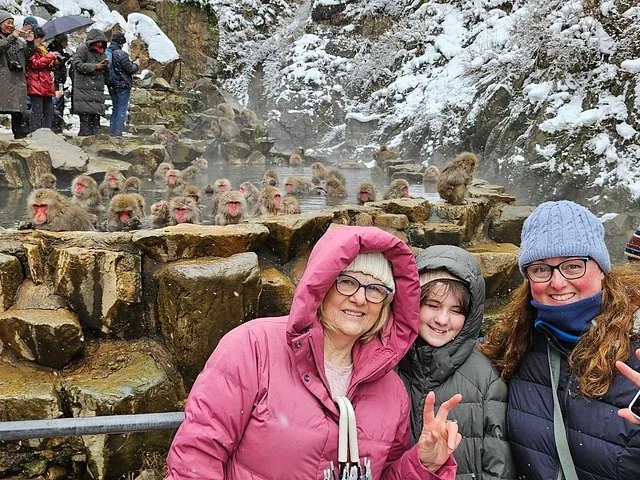
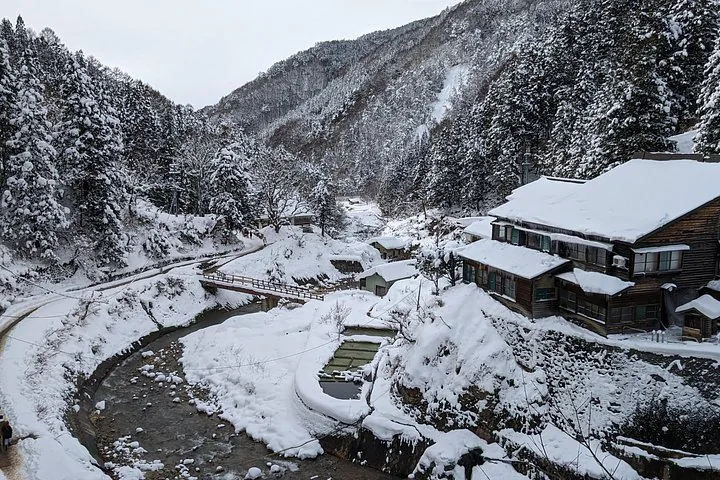
Winter provides the classic snow monkey photos. However, it requires walking a highly slippery, icy 1.6-kilometer forest trail. Spring offers safer hiking conditions and newborn sightings. It lacks the snow-covered baths.
Do I need to book Snow Monkey Park tickets in advance?
Yes, you must book ahead if you visit during the peak winter season.
To manage crowds, the park enforces a strict limit of 2,000 visitors per day in winter. You must secure an online ticket or book an official guided tour. You can read more about entry rules in our Tickets & Prices guide.
What do I need for a winter visit?
You need proper winter gear to hike the unpaved 1.6-kilometer trail.
The path gets extremely icy and muddy. Wear snow boots with heavy tread and slip-on ice crampons. If you lack gear, you can rent snow boots at the Snow Monkey Resorts Info & Gift Shop. You can also buy ice crampons there.
Questions travellers ask
Is the park closed on any days of the year?
No, Jigokudani Snow Monkey Park is open 365 days a year with no fixed closing days.
Can I take photos of the monkeys?
Yes, you can take photos, and flash photography is permitted. However, you must maintain a respectful distance. Do not position your camera too close to the monkeys.
How many monkeys live in the park?
The park is home to a single troop of around 160 wild Japanese macaques.